Altair Engineering Inspection deploys a comprehensive portfolio of advanced and specialist NDT techniques — delivering higher probability of detection, superior defect characterisation, and reliable coverage on the inspection challenges that conventional methods cannot fully address
Advanced NDT is not simply conventional inspection performed with newer instruments. The techniques in this portfolio — phased array ultrasonics, time-of-flight diffraction, guided wave testing, electromagnetic tube inspection methods, acoustic emission, and specialist pipeline integrity techniques — work on different physical principles, address different inspection challenges, and deliver different categories of inspection intelligence than conventional methods can provide.
At Altair Engineering Inspection, our advanced NDT capability is deployed where the inspection requirement genuinely demands it: where a conventional technique cannot reliably detect the target defect population, cannot achieve the required coverage within the available access and time constraints, or cannot provide the defect characterisation data needed for a fitness-for service assessment.
Our advanced NDT personnel are certified to PCN (ISO 9712) Level 2 and Level 3 across the specialist methods we deploy — and they have the field experience to translate technical method capability into reliable inspection results on real industrial assets.
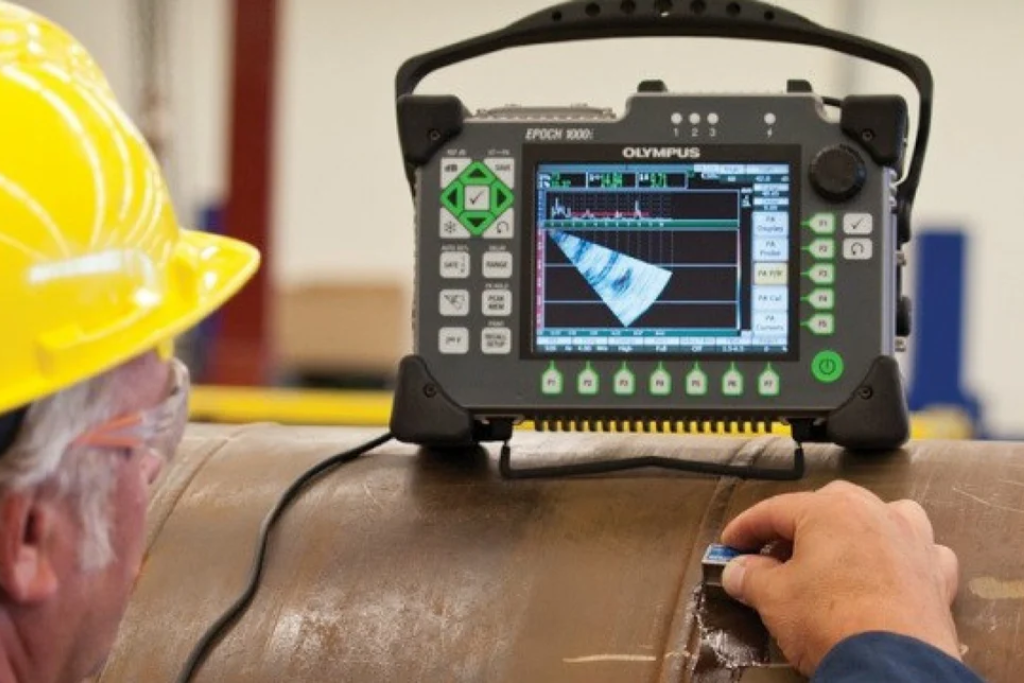
Multi-element array UT with electronic beam steering and real-time sectorial scan imaging — delivering faster weld inspection, superior defect characterisation, and volumetric coverage on complex geometries that conventional UT cannot match.
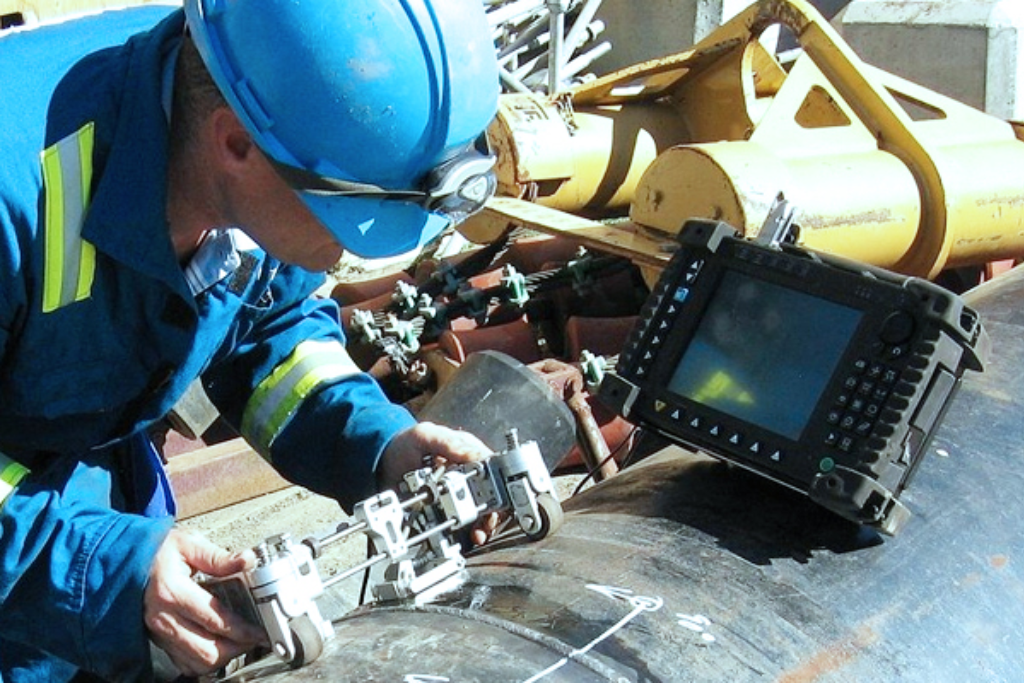
Learn More →The most accurate ultrasonic technique for through wall sizing of planar defects — deployed alongside PAUT for comprehensive weld inspection or as a standalone sizing technique for fitness-for-service assessment.
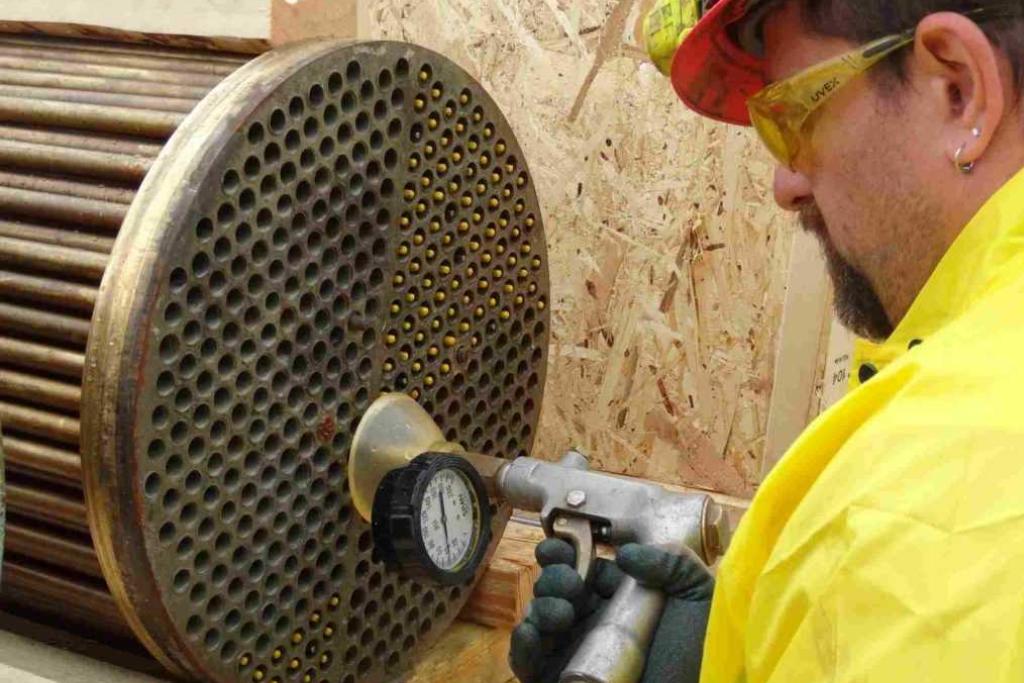
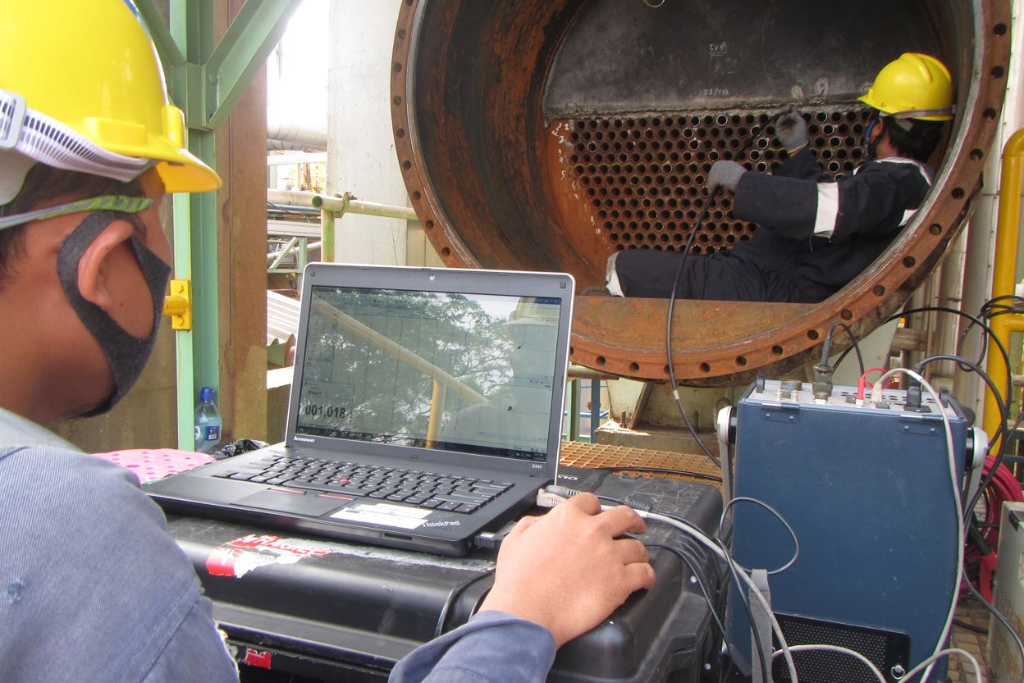
Learn More →Multi-frequency eddy current inspection of non ferrous heat exchanger tubes — detecting wall loss, pitting, cracking, and wear from a single tube pass with full-length coverage and quantitative defect sizing.
Learn More →Immersion ultrasonic tube inspection using a rotating transducer — providing accurate wall thickness measurement and defect sizing in ferrous and non-ferrous tubes where ECT sensitivity is insufficient.
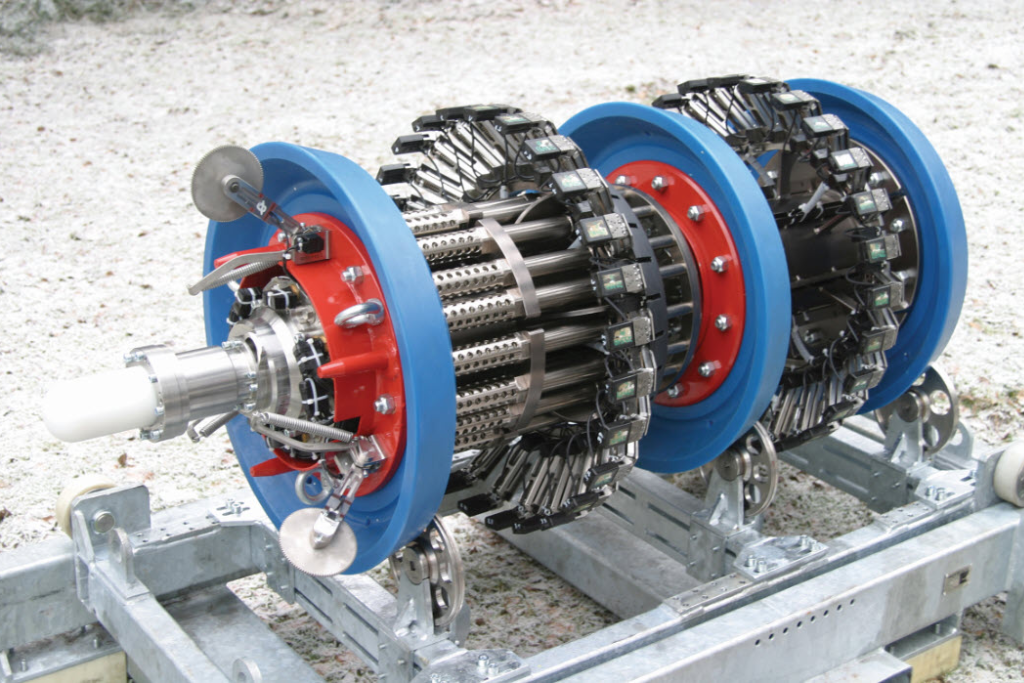
Learn More →High-speed magnetic flux leakage inspection of ferrous heat exchanger and boiler tubes — detecting wall loss, pitting, and baffle cuts in carbon steel tube bundles at production inspection rates.
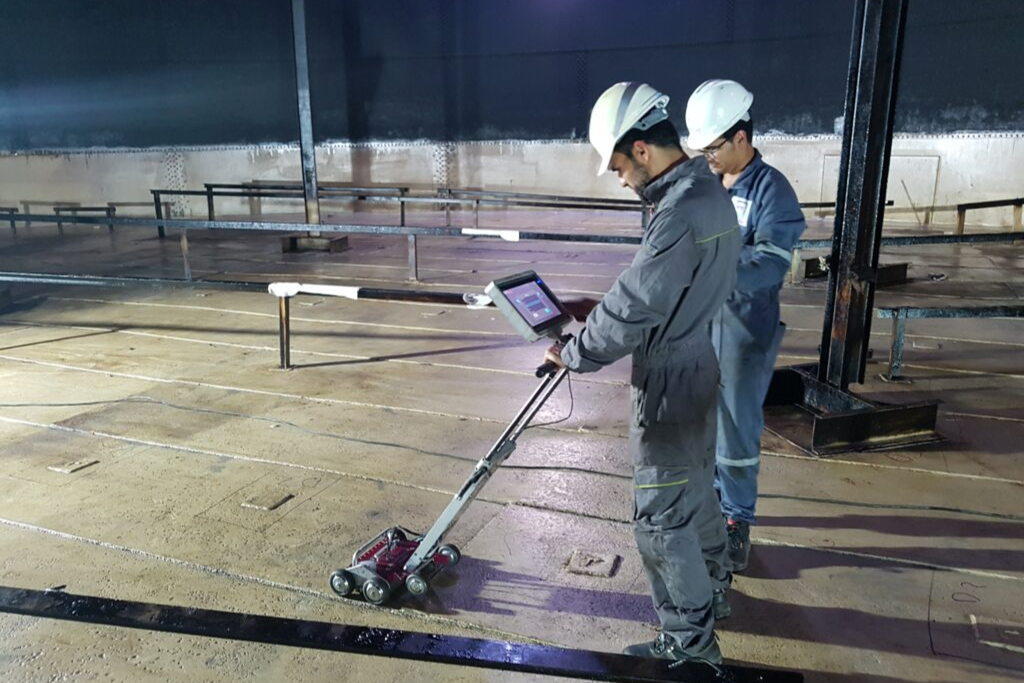
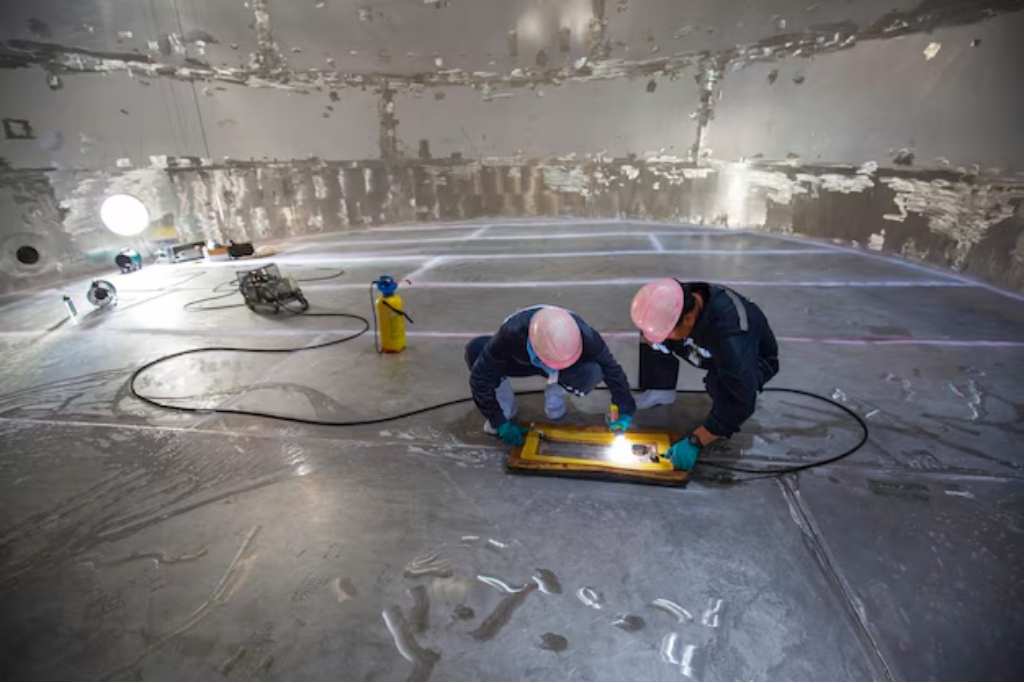
Learn More →Rapid floor scanning of above-ground storage tanks using magnetic flux leakage — detecting bottom-side and top-side corrosion across the full tank floor area during out-of-service inspection periods.
Learn More →Low-frequency electromagnetic inspection of ferrous tubes — providing equal sensitivity to inner and outer wall defects without magnetic saturation, and enabling inspection of carbon steel, cast iron, and ferritic stainless steel tube bundles.
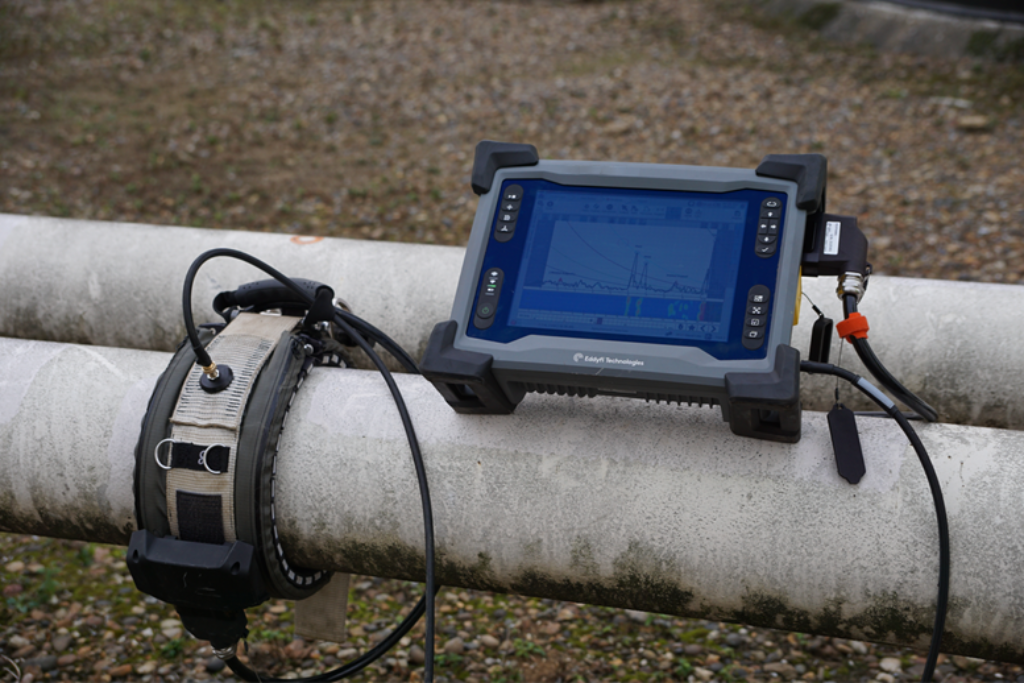
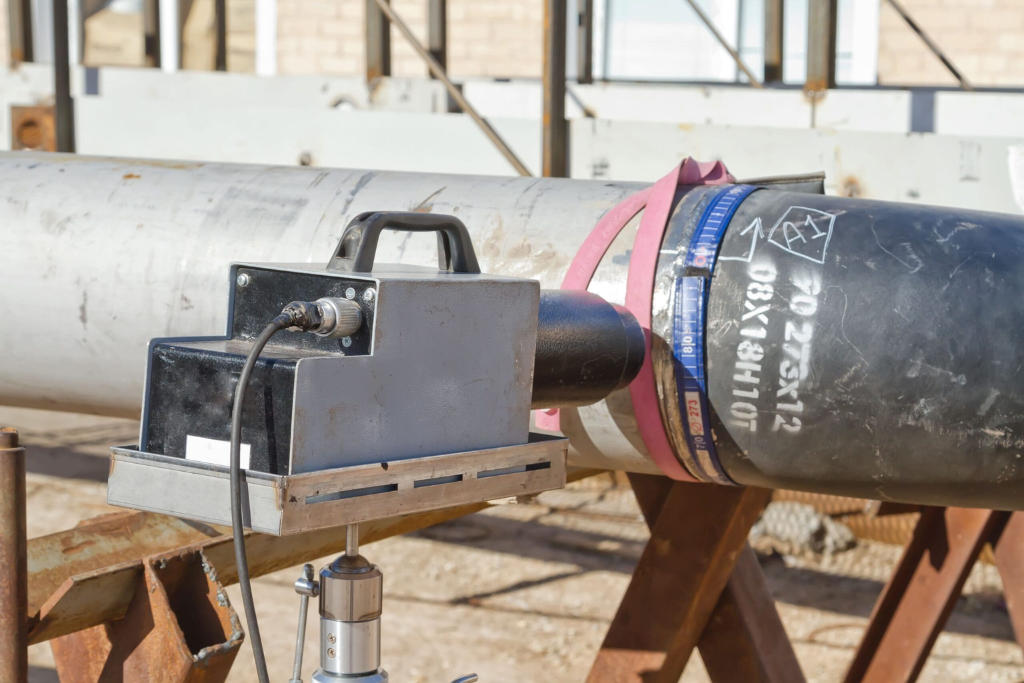
Learn More →Guided wave ultrasonic testing for rapid screening of long lengths of pipe — detecting corrosion, metal loss, and structural anomalies from a single transducer position with coverage extending tens of metres in each direction.
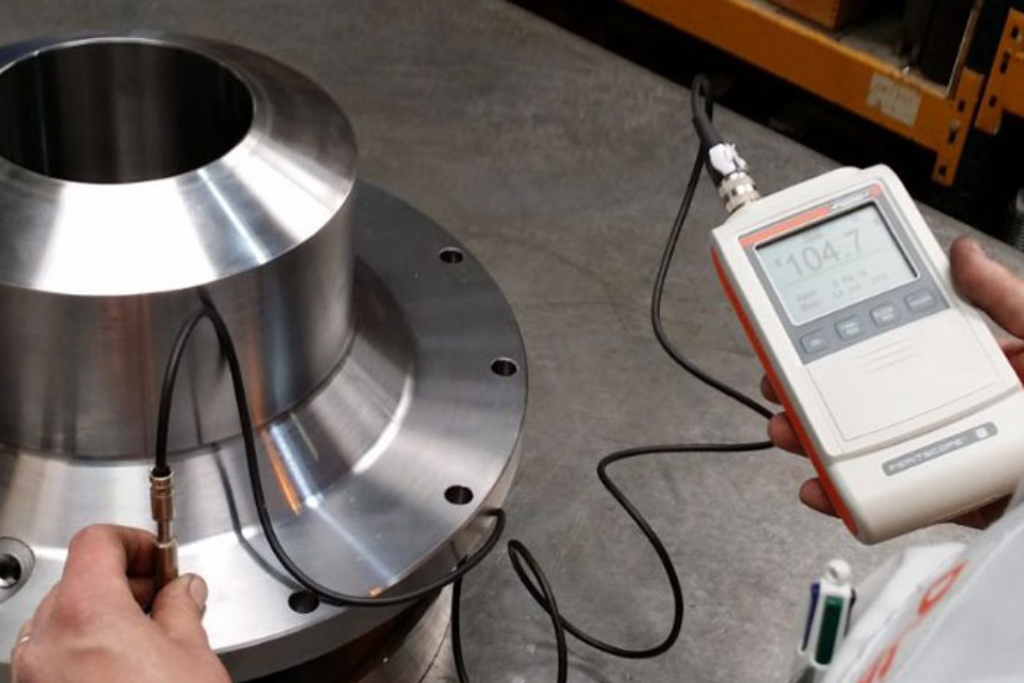
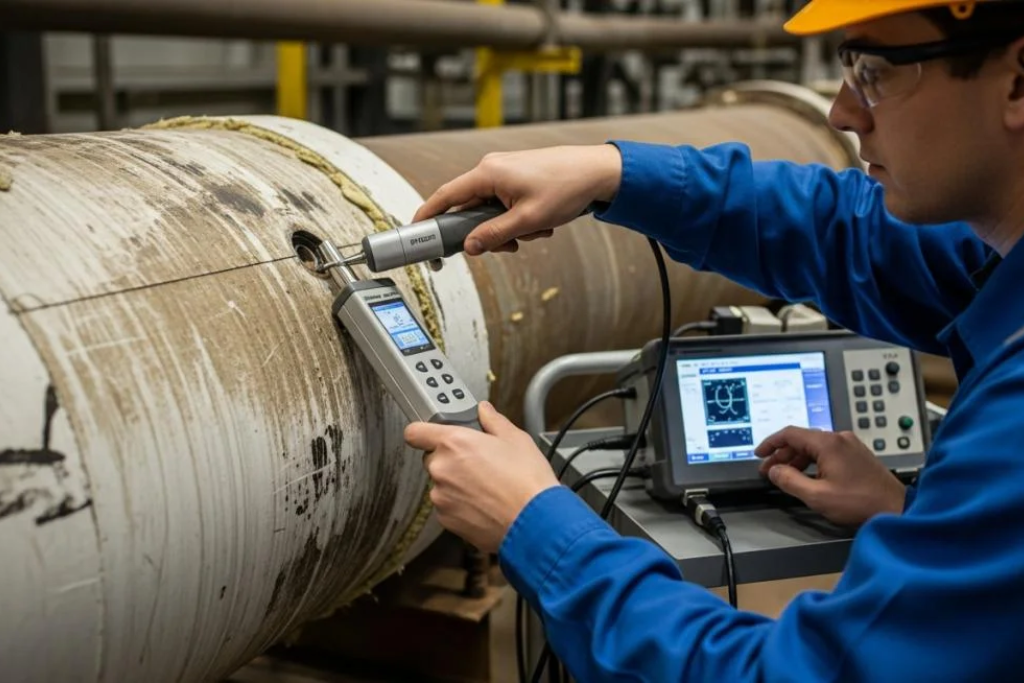
Learn More →Specialist techniques for the detection of active corrosion beneath insulated piping and equipment — without requiring full insulation removal. Pulsed eddy current, profile radiography, and guided wave methods deployed based on geometry and access.
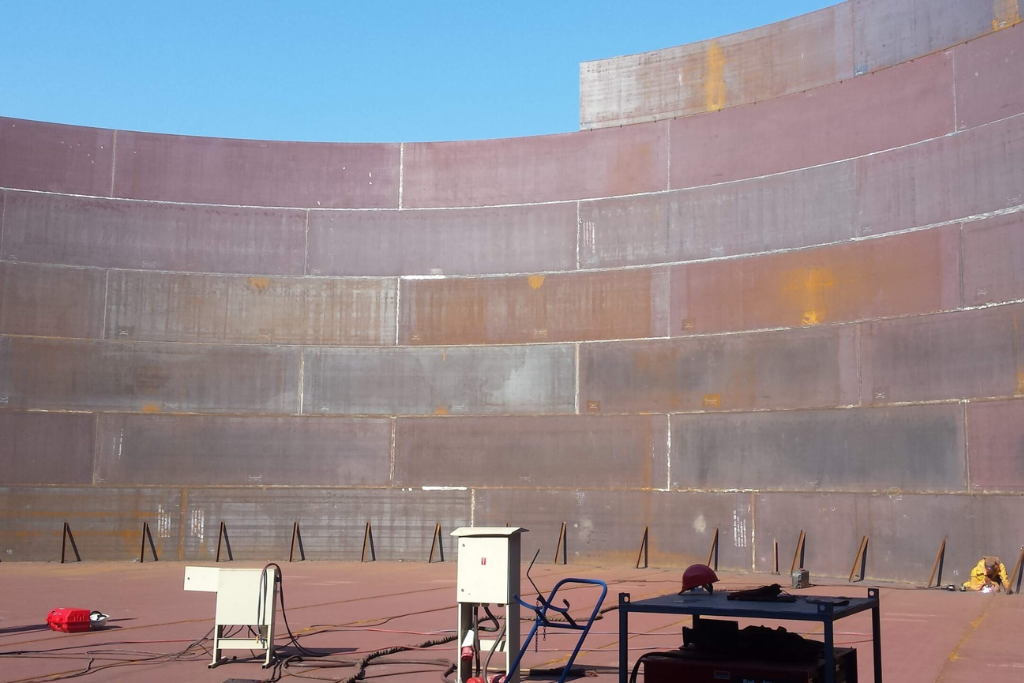
Learn More →Specialist inspection of the annular plate region of above-ground storage tanks — assessing the critical floor-to-shell junction zone for corrosion, cracking, and settlement-induced damage using targeted UT, PAUT, and MFL techniques.
Learn More →Digital detector array (DR) and computed radiography (CR) techniques for immediate digital radiographic imaging — eliminating film processing while delivering enhanced image quality, digital storage, and real-time inspection decisions.
Learn More →A hybrid electromagnetic technique combining magnetic saturation with low-frequency eddy current — capable of inspecting thick-wall and coated components beyond the reach of conventional MFL, with top surface and bottom-surface defect discrimination.
Learn More →Above-ground survey techniques for detecting and locating coating holidays on buried pipelines — quantifying defect severity and assessing the effectiveness of the cathodic protection system without excavation.
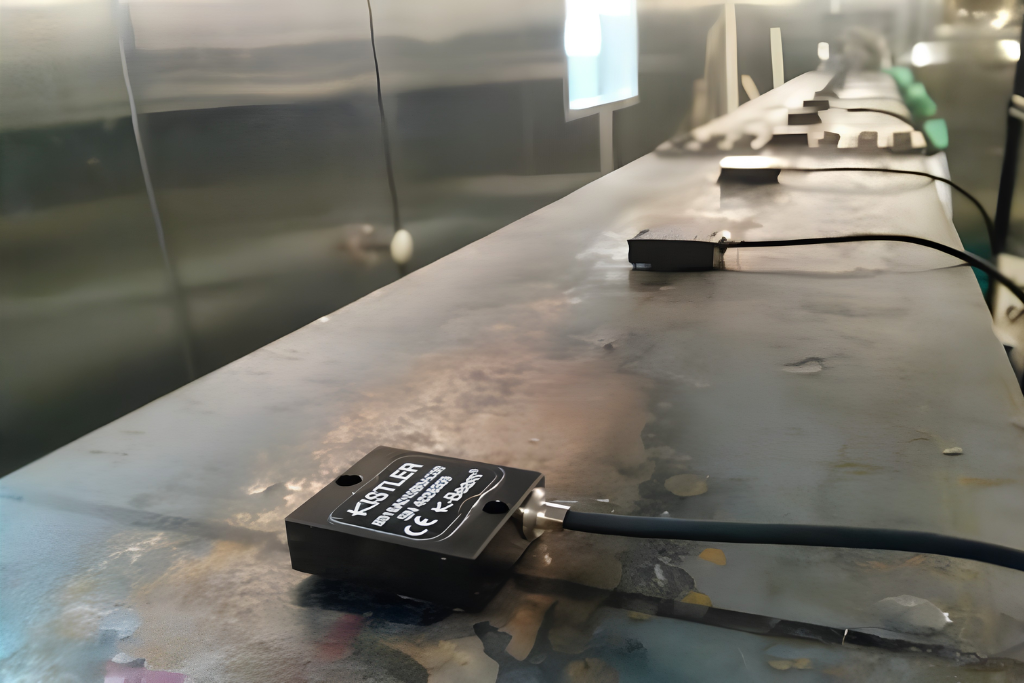
Learn More →Passive monitoring of stress wave emissions from active defects under load — enabling continuous structural health monitoring, pressure vessel leak and defect detection, and in-service inspection without taking equipment out of service.
Learn More →Magnetic flux leakage inspection of steel wire ropes — detecting broken wires, corrosion, loss of metallic cross-sectional area (LMA), and localised defects in crane ropes, lifting slings, and suspended cables without rope removal.
Learn More →Electromagnetic surface crack detection and sizing technique — detecting and quantifying surface-breaking cracks in welds and base material through coating, paint, or surface contamination, without requiring surface preparation or couplant.
Learn More →Our application engineers will review your asset type, defect concern, access conditions, and applicable inspection code — and recommend the most appropriate advanced NDT technique and deployment approach for your requirement.
Request an Inspection