Loading...

The Essential Foundation of Every Sound Inspection Programme

Altair Engineering Inspection deploys the full range of conventional non-destructive testing methods — executed by certified, field-experienced technicians, to documented procedures, against applicable inspection codes — delivering reliable inspection results across every industry we serve.

Proven Methods. Certified Technicians. Code-Referenced Results.

Conventional NDT methods remain the most widely specified, most broadly recognised, and most cost-effective tools for the routine inspection of industrial assets — and for good reason. Ultrasonic testing, radiographic testing, magnetic particle inspection, liquid penetrant testing, visual testing, and eddy current testing have decades of field validation, clearly defined acceptance criteria in established industry codes, and a depth of practitioner knowledge that newer techniques are still building.

At Altair Engineering Inspection, conventional NDT is not a secondary offering — it is the backbone of our inspection practice. Our conventional NDT teams are deployed daily across Oil & Gas, Petrochemical, Power Generation, Shipbuilding, Manufacturing, and Civil infrastructure environments throughout Asia and the Middle East. Every deployment is backed by documented procedures, calibrated equipment, traceable calibration records, and certified personnel — so that the conventional inspection results we deliver are as defensible as any advanced NDT finding.

What distinguishes our conventional NDT service is not simply what we deploy — it is how we deploy it. The right technique for the asset. The right procedure for the applicable code. The right certified technician for the method. And a report that gives you the information you need to make informed decisions about your assets.

Twelve Methods. One Accredited Inspection Organisation.
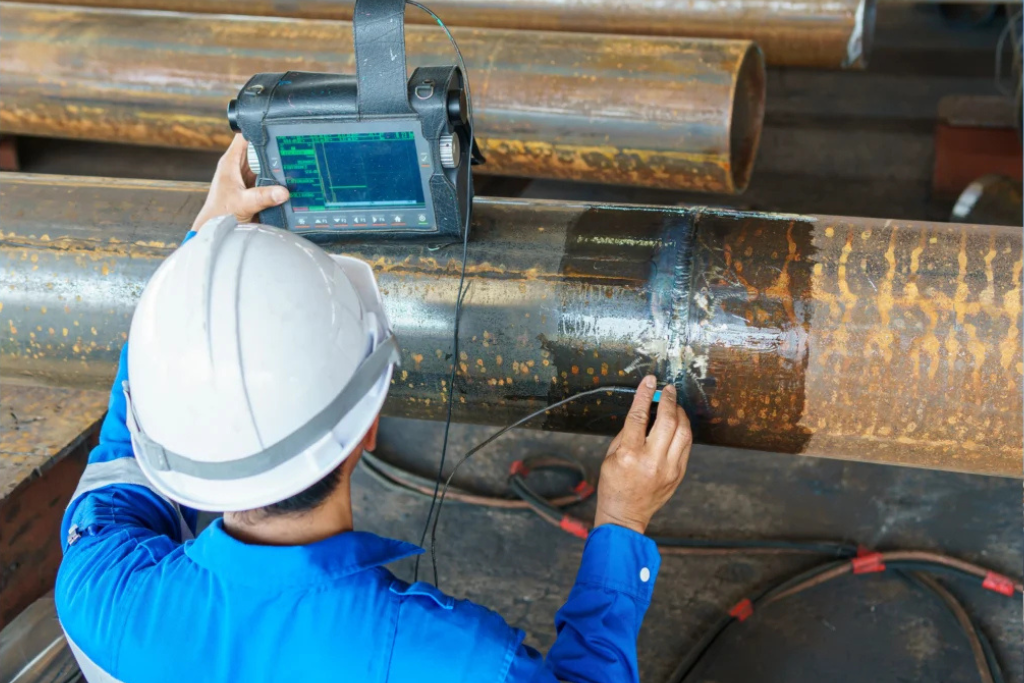
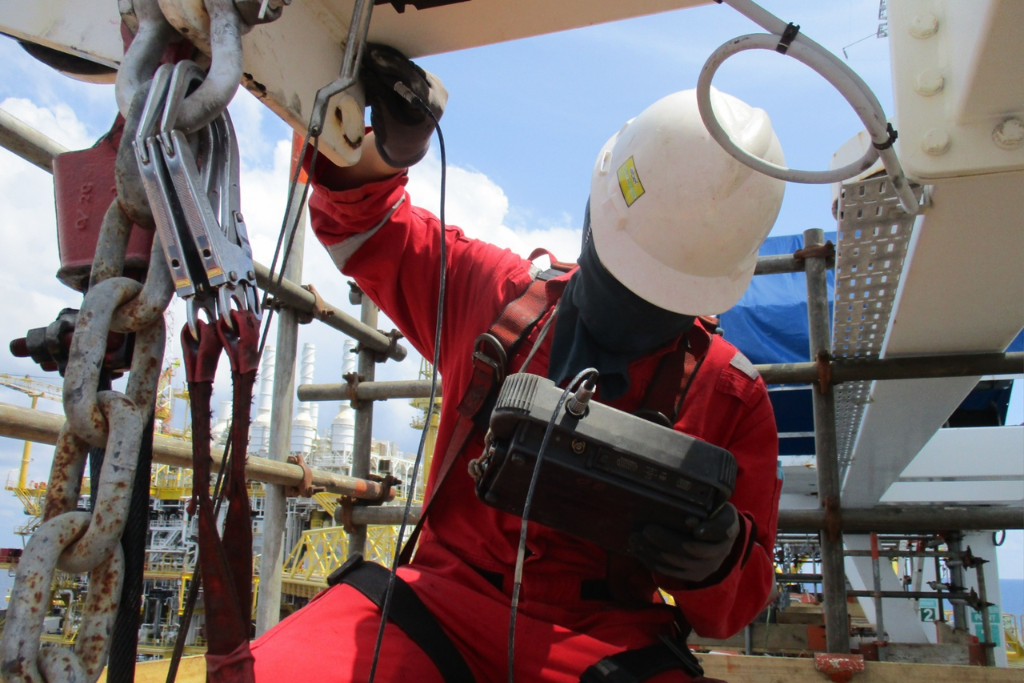
Ultrasonic Testing

The principal method for volumetric inspection and wall thickness measurement. Deployed for flaw detection, thickness gauging, corrosion mapping, and weld assessment across a wide range of material types and component geometries.

Learn More →
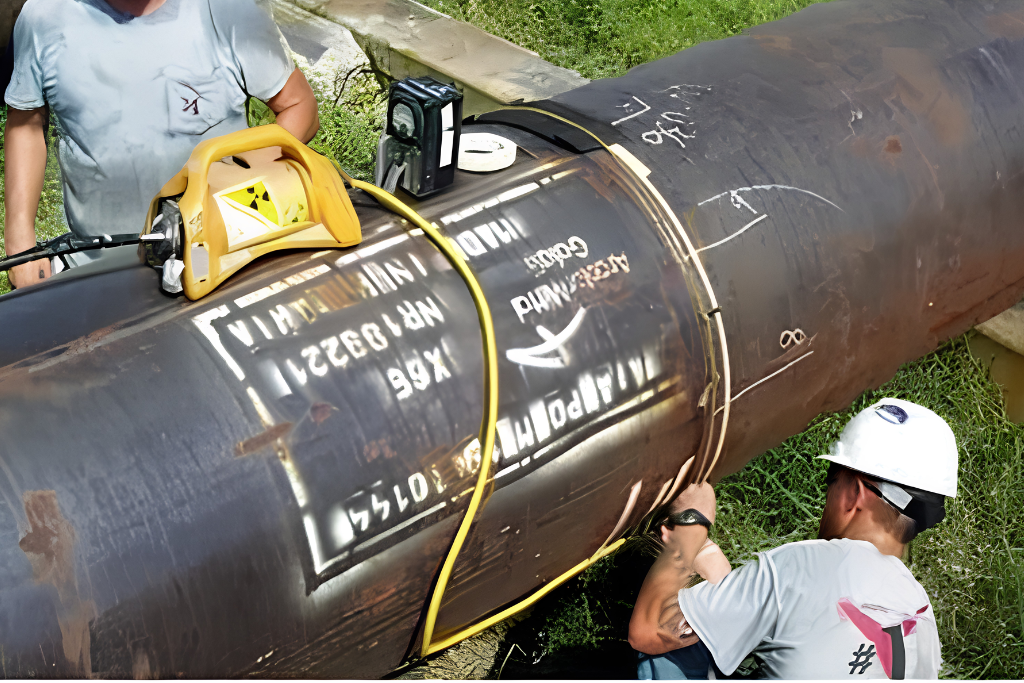
Radiographic Testing (RT)

Film, computed (CR), and digital radiographic (DR) techniques for volumetric imaging of welds, castings, and assemblies. Reveals internal discontinuities with permanent, reviewable image records referenced to applicable radiographic codes.

Learn More →
Liquid Penetrant Testing (PT)

A reliable surface-breaking discontinuity detection method for non-porous metallic and non-metallic components. Fluorescent and visible dye methods — deployed to ASME, EN ISO, and ASTM inspection standards.

Learn More →
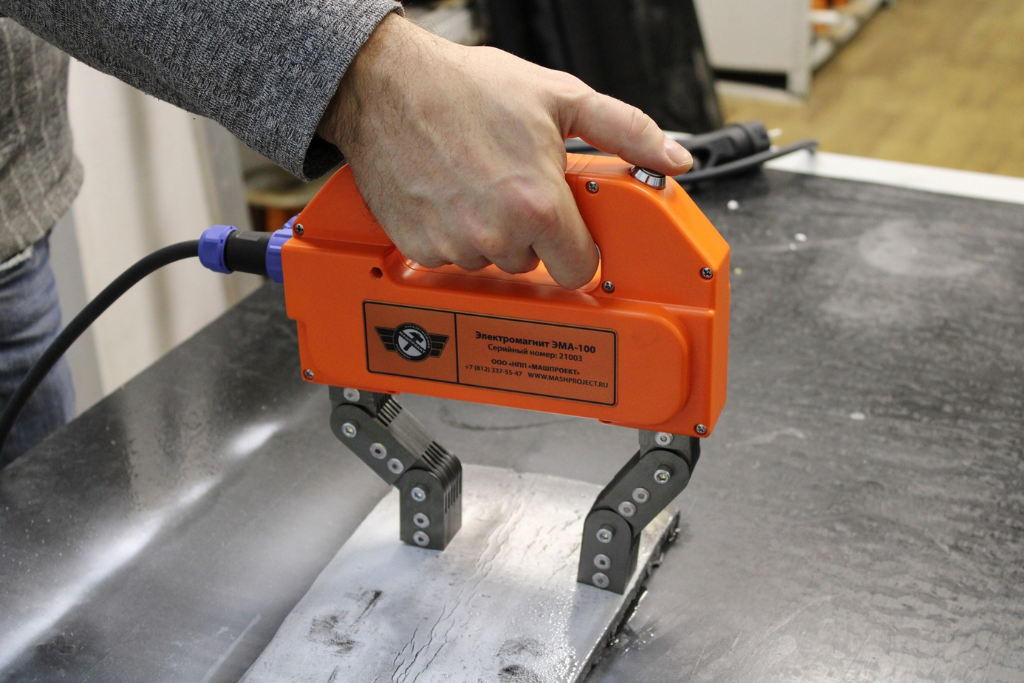
Magnetic Particle Testing (MT)

Surface and near-surface defect detection in ferromagnetic materials using wet fluorescent or dry magnetic particle methods. Rapid coverage, high sensitivity to surface-breaking cracks and linear discontinuities.

Learn More →
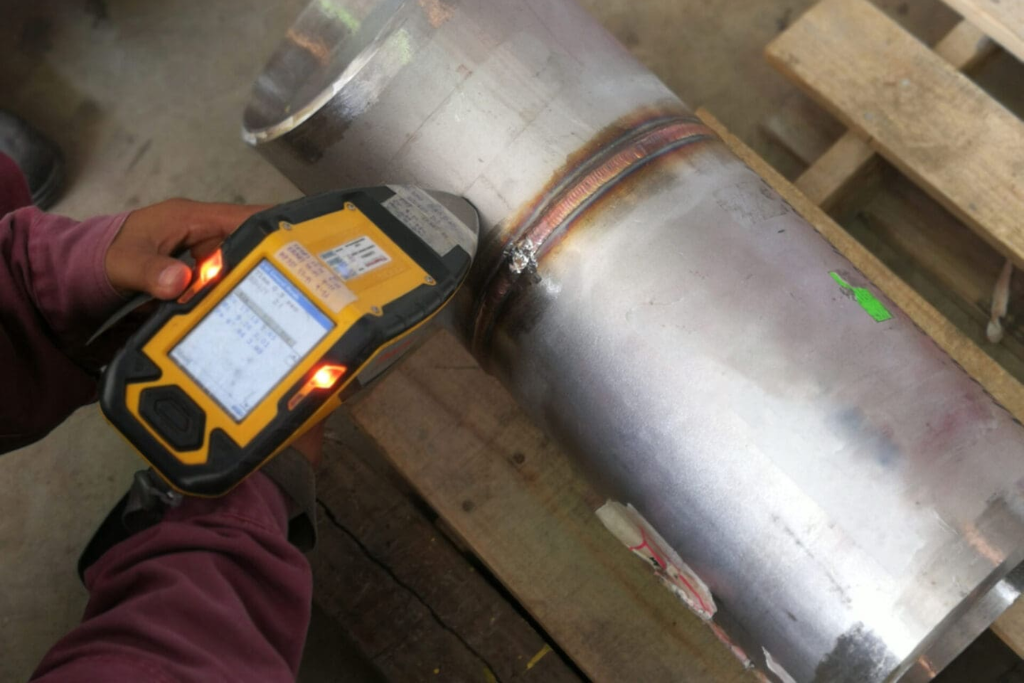
Positive Material Identification (PMI)

Field-deployed alloy verification and material composition analysis using X-ray fluorescence (XRF) or optical emission spectrometry (OES). Essential for material traceability in high-integrity piping, pressure vessels, and critical components.

Learn More →
Eddy Current Testing — Surface (ECT)

Electromagnetic technique for surface and near-surface defect detection in electrically conductive materials — without physical contact or surface preparation. Rapid screening for cracks, pitting, and surface anomalies.

Learn More →
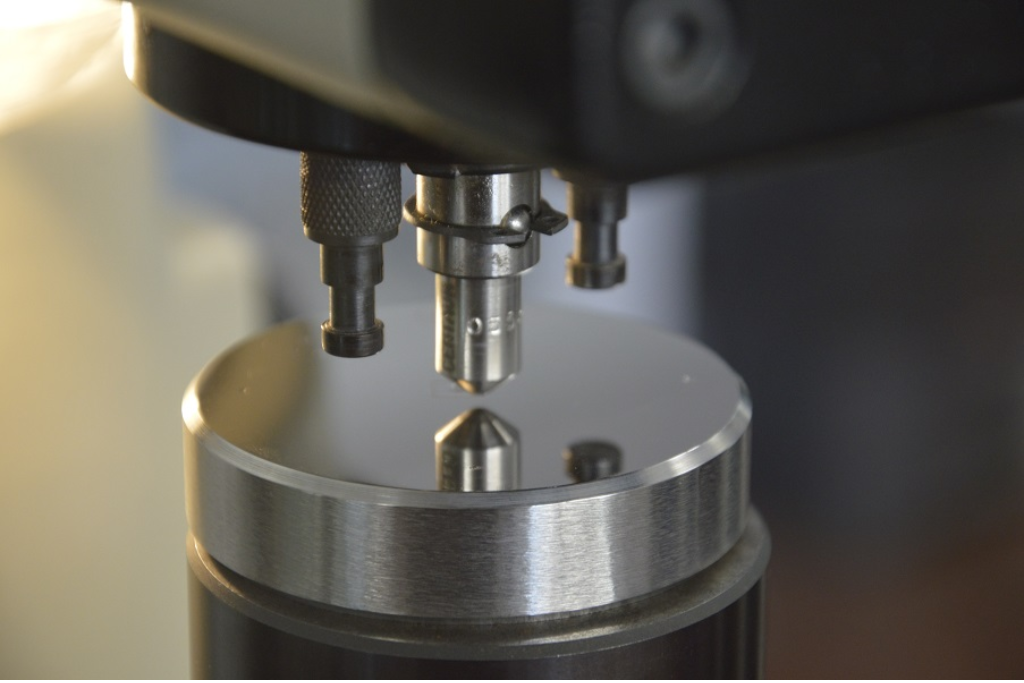
Hardness Testing

Field and laboratory hardness measurement using portable or bench mounted instruments — Vickers, Brinell, Rockwell, and Leeb rebound methods. Critical for weld heat-affected zone assessment, material verification, and fitness-for-service evaluation.

Learn More →
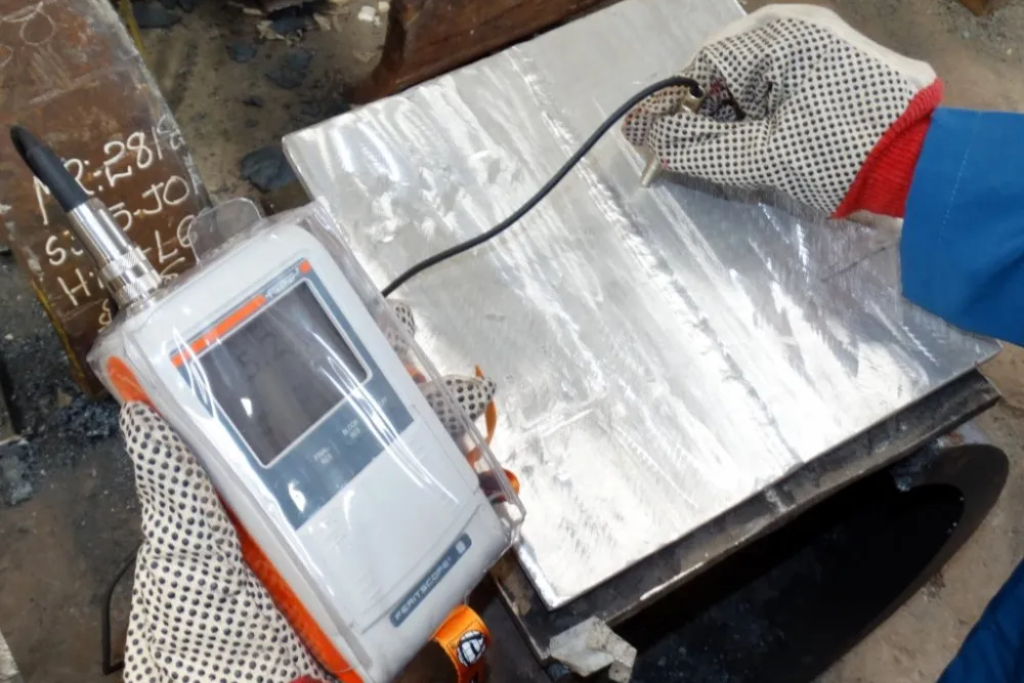
Ferrite Testing

Quantitative measurement of ferrite content in austenitic stainless steel and duplex stainless steel weld deposits — essential for verifying weld quality, corrosion resistance, and mechanical property compliance in process industry applications.

Learn More →
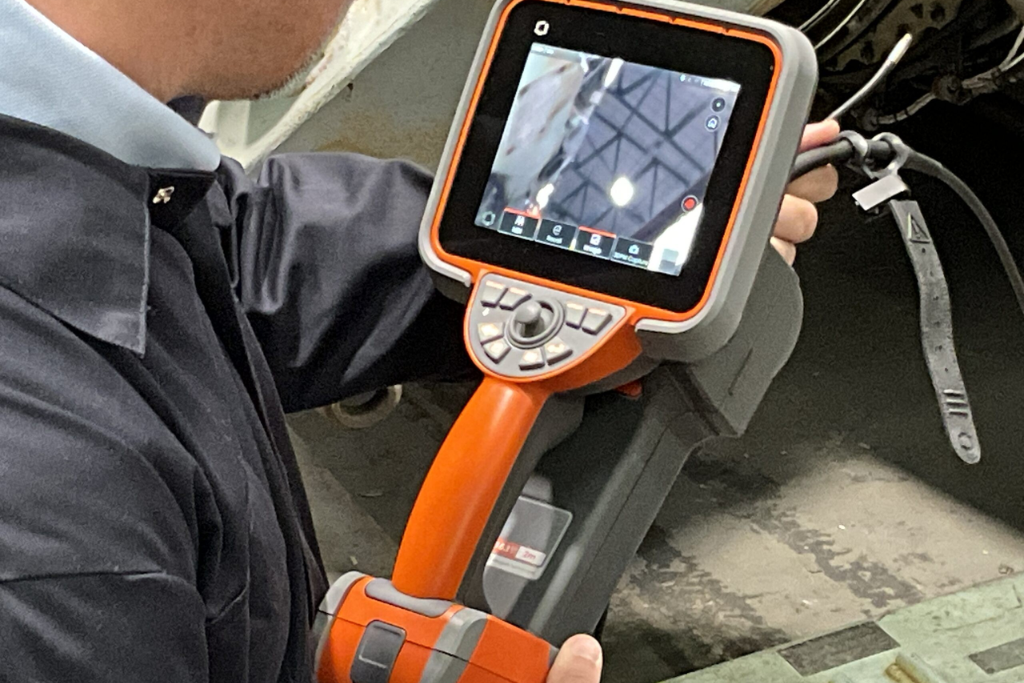
Remote Visual Testing — Borescope (RVI)

Internal visual inspection of confined, inaccessible, or restricted-access spaces using rigid borescopes, flexible videoscopes, and articulating probe systems. Detailed internal condition assessment without component disassembly.

Learn More →
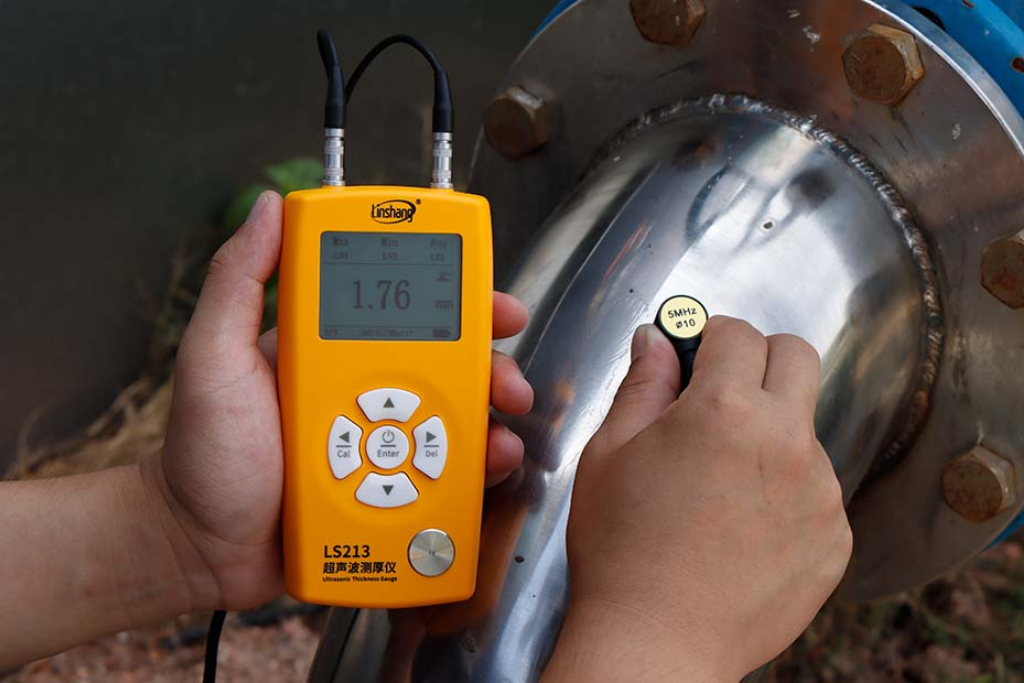
Ultrasonic Thickness Gauging (UTG)

Rapid, single-sided wall thickness measurement using portable ultrasonic gauges — the standard technique for corrosion monitoring, remaining wall assessment, and fitness-for-service data collection across piping, vessels, and structural members.

Learn More →
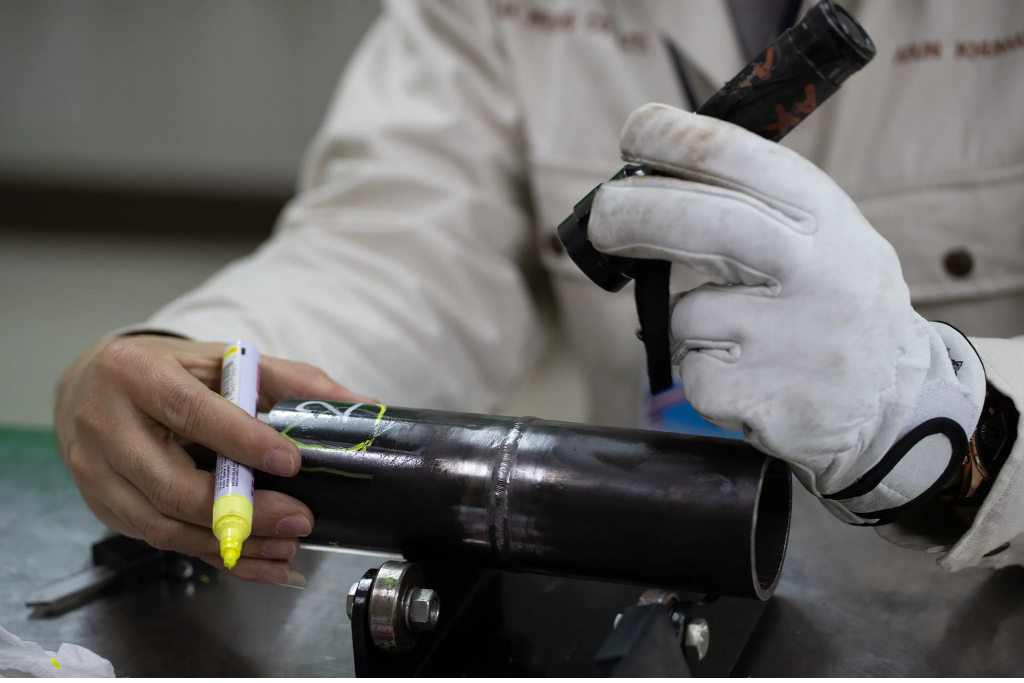
Visual Testing (VT)

The most fundamental of all NDT methods — and, when performed by a qualified inspector with the right tools and lighting, one of the most valuable. Direct and indirect visual inspection to ASME, AWS, EN ISO, and API visual examination codes.

Learn More →
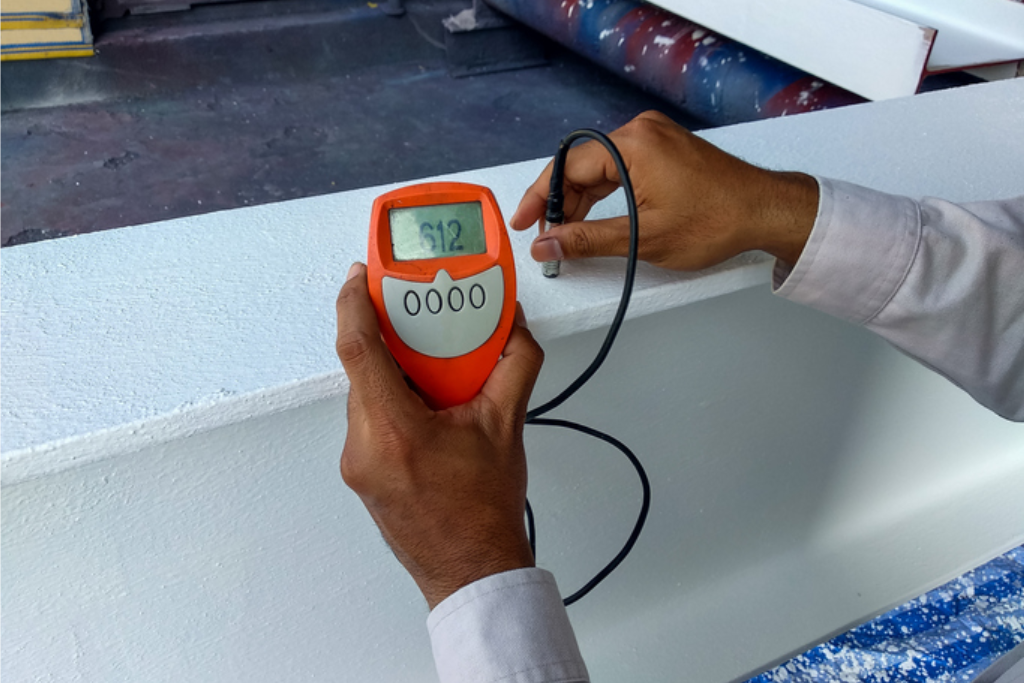
Paint & Coating Thickness Measurement

Dry film thickness (DFT) measurement of protective coatings on ferrous and non-ferrous substrates — using magnetic pull-off or eddy current measurement instruments — verifying coating compliance to project specification and applicable standards.

Learn More →

Need Conventional NDT for Your Asset or Project?

Tell us your asset type, access conditions, and inspection standard — we’ll recommend the best approach.

Request an Inspection