From Inspection Requirement
to Clear Action.
A focused inspection process designed to turn technical requirements into reliable, actionable information.
Understand the Requirement
Lorem ipsum, dolor sit amet consectetur adipisicing elit. Atque quaerat similique sequi maiores porro corrupti autem reiciendis libero unde quae iusto vitae, odio quam nihil impedit voluptas, facere officiis quos.
Inspect with Purpose
Lorem ipsum, dolor sit amet consectetur adipisicing elit. Atque quaerat similique sequi maiores porro corrupti autem reiciendis libero unde quae iusto vitae, odio quam nihil impedit voluptas, facere officiis quos.
Analyse the Findings
Lorem ipsum, dolor sit amet consectetur adipisicing elit. Atque quaerat similique sequi maiores porro corrupti autem reiciendis libero unde quae iusto vitae, odio quam nihil impedit voluptas, facere officiis quos.
Report for Action
Lorem ipsum, dolor sit amet consectetur adipisicing elit. Atque quaerat similique sequi maiores porro corrupti autem reiciendis libero unde quae iusto vitae, odio quam nihil impedit voluptas, facere officiis quos.
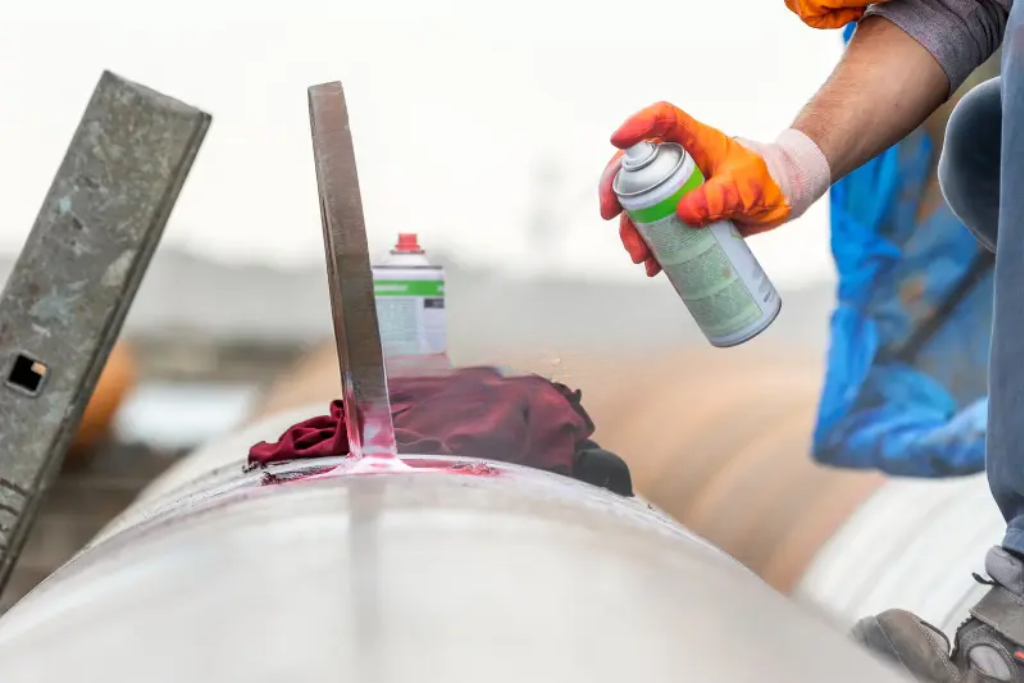
Inspection capability is only valuable when the information can be trusted.
Lorem ipsum dolor sit amet consectetur adipisicing elit. Accusantium maxime soluta magni. Velit ex nesciunt totam, animi praesentium porro! Pariatur consequatur voluptatem itaque. Explicabo magnam itaque maxime fugiat veniam repellat!
Technical Expertise
Experienced personnel and inspection capability suited to complex industrial environments.
Reliable Data
Accurate and traceable inspection information that supports engineering and asset decisions.
Actionable Reporting
Clear findings that help clients understand asset condition and determine the next step.